Across Nigeria, and indeed much of Africa, there is a phrase that carries the weight of duty, sacrifice, and silent suffering, “I am staying because of the children.” It is repeated in counseling rooms, whispered in family compounds, defended by elders, and applauded in religious spaces. It sounds responsible, selfless and more like the best expression of love.
But what if, in many cases, it is none of those things? What if what we have normalized as sacrifice is, in fact, the quiet preservation of dysfunction? What if, in trying to protect children, we are instead raising them inside the very conditions that will fracture their emotional lives, and by extension, the society they will one day build?
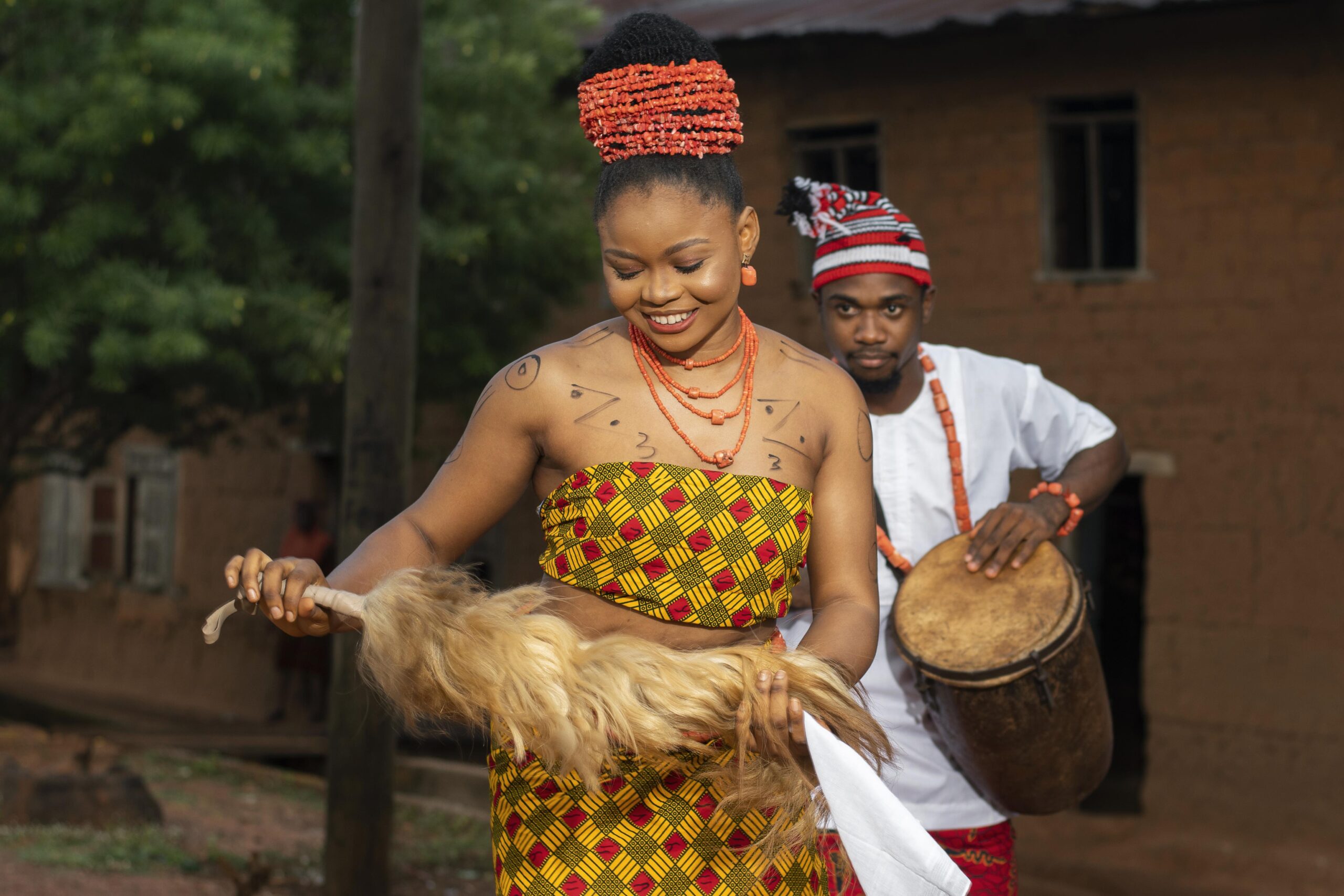
In many African cultures, marriage is not just a union between two individuals, it is a contract between families, lineages, and even the living and the dead. Among the Yorubas, there is a saying that a child does not belong to one person but to the community, among the Igbos, marriage is not fully complete until it is recognized by the extended family system, and across cultures, marriage is seen as sacred, communal, and enduring. And therein lies both its strength and its danger.
Because when something is so deeply protected by culture, it becomes difficult to question, even when it is no longer healthy. So people stay through emotional neglect that slowly erodes identity, contempt disguised as normal marital conflict, silence that suffocates intimacy and power struggles rooted in patriarchal entitlement or unprocessed trauma. And they tell themselves the most comfortable explanation, i am staying, “for the children.”
But children are not protected by proximity, they are shaped by experience. A child raised in a home where love is absent does not learn love, a child raised in a home where communication is hostile does not learn healthy expression and a child who grows up watching a mother shrink herself to survive or a father dominate to feel powerful is not witnessing commitment, they are witnessing distortion. And distortion, when repeated long enough, becomes identity.
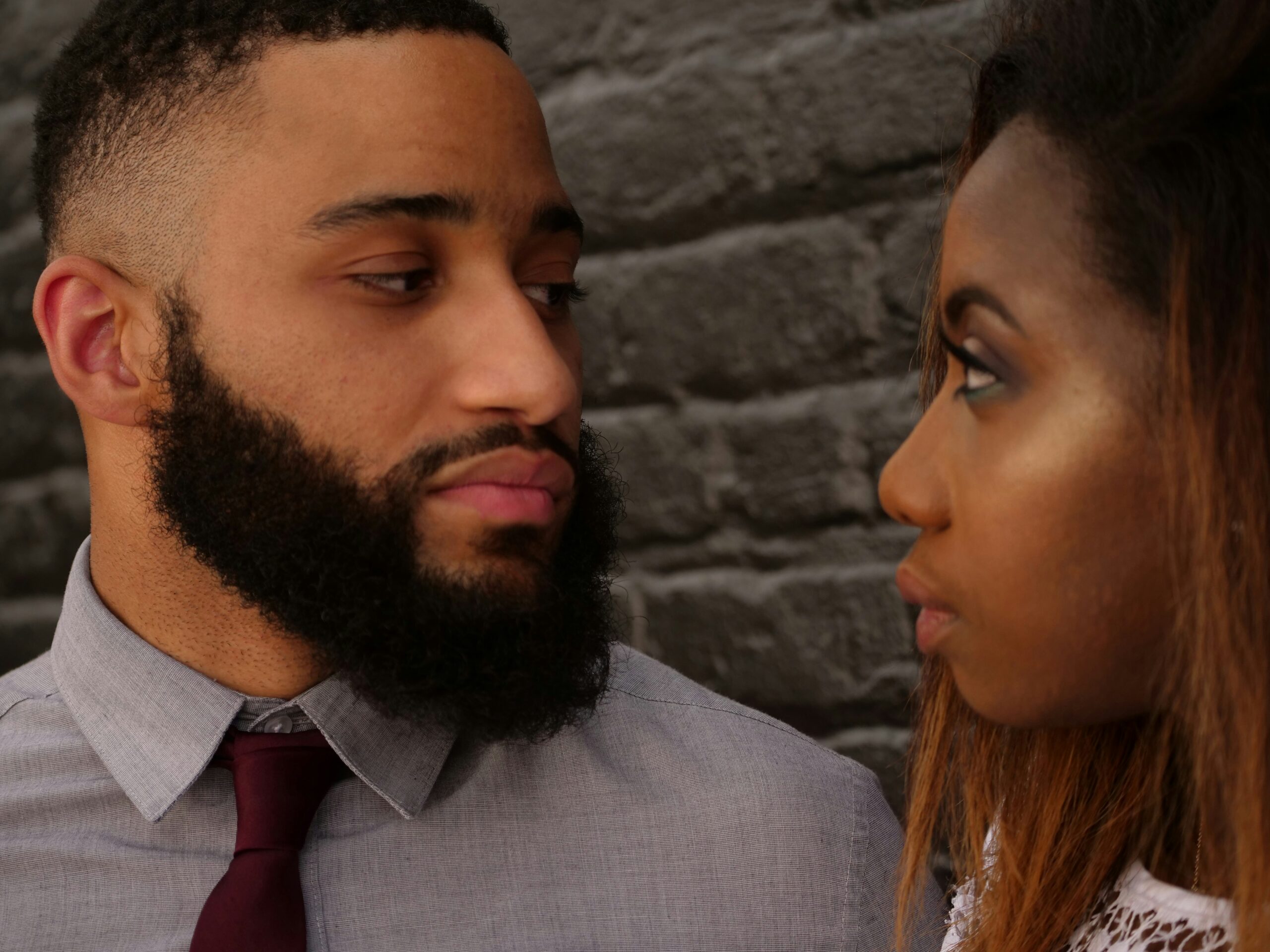
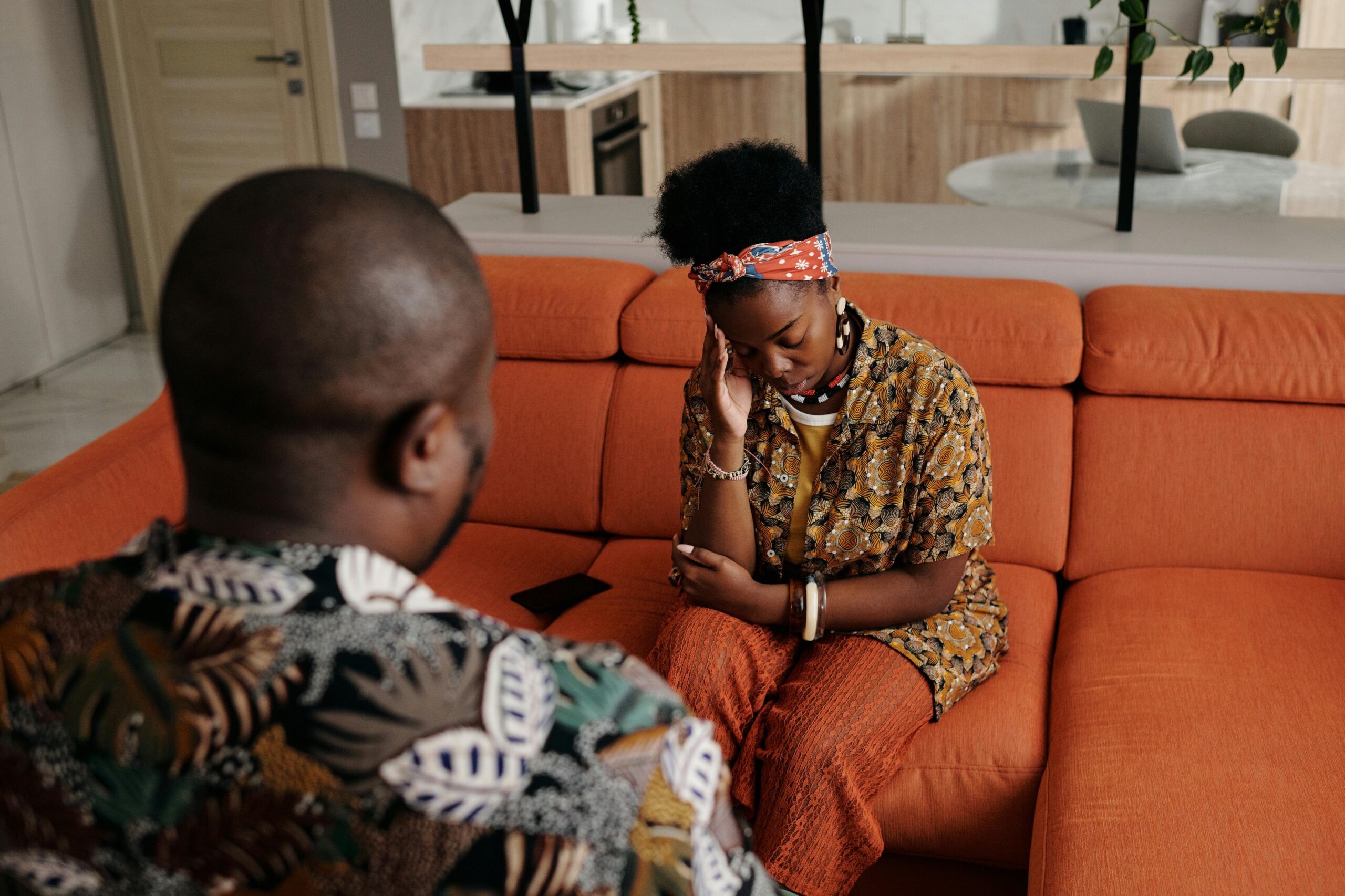
I remember a case of a couple in Lagos, both highly educated and socially respected. On the surface, they were what many would call “a successful marriage.” They had been married for over fifteen years, had three children, and were deeply embedded in their church community. But inside the home, there was a quiet war, the husband believed leadership meant control while wife had learned, from her own upbringing, that a “good woman” endures. So she endured his dismissiveness, emotional absence, and subtle but persistent invalidation.
They never fought loudly, and there were no visible scandals. To the outside world, they were stable, but their home was emotionally barren. Their first son, at nineteen, could not sustain a relationship, every time intimacy deepened, he withdrew. He told me once, “I don’t think love lasts. I think people just manage each other.” Their daughter, on the other hand, had gone in the opposite direction, she clung desperately in relationships, terrified of abandonment, overextending herself just to be chosen. Two children, same home, same marriage, but one ran from intimacy while the other chased it at all costs.
This is how generational trauma evolves, not always through dramatic abuse, but through subtle, consistent emotional miseducation. And this is what we must confront as a continent. Because when we talk about societal breakdown; corruption, distrust, aggression, instability, we often analyze it at the level of governance, economics, or policy, but we rarely trace it back to the original training ground of human behavior, which is the home.
A society is not built in parliaments first, it is built in living rooms. The man who cannot regulate his emotions in leadership did not suddenly become that way in office, the woman who cannot assert herself in the workplace did not suddenly lose her voice in adulthood, and the individual who exploits, dominates, withdraws, or manipulates often learned those patterns long before they ever engaged with society at large.
And where do these patterns take root? In the relationships they witnessed growing up. So when marriages are unhealthy, not broken in the visible, socially unacceptable ways, but quietly, chronically dysfunctional, they do not just affect two people, they produce citizens. Citizens who carry unprocessed wounds into workplaces, into governance, into religious institutions, into friendships, and most significantly, into their own future marriages. This is how cycles are sustained, not because people are unwilling to change, but because what they are trying to change from has never been properly understood.
There is another layer to this in the African context, the cultural glorification of endurance. We celebrate the woman who “stood by her man no matter what.” We honor the marriage that lasted fifty years, without always interrogating what those fifty years contained, we encourage silence in the name of respect and discourage emotional expression in the name of strength, in doing so, we inadvertently create environments where dysfunction can thrive unchallenged. Because if leaving is shameful, and speaking up is disrespectful, then suffering becomes the only socially acceptable option, unfortunately, suffering does not build healthy families, it builds survival patterns. And survival patterns, when carried into the next generation, do not produce emotionally whole adults, they produce individuals who are either constantly defending themselves against pain or unconsciously inflicting it.
So we must ask ourselves a difficult question: What exactly are we preserving when we say we are staying for the children? Is it the institution of marriage, or is it the fear of confronting its failure? Because a healthy marriage is not defined by how long it lasts, but, by what it produces emotionally, psychologically, and relationally. A marriage that lasts decades but raises children who cannot love, cannot trust, cannot communicate, and cannot regulate themselves is not a success story, it is a delayed crisis. And a society built on such foundations will always struggle, no matter how much we try to fix it from the outside.
This is why the conversation must shift. Healthy marriages are not a luxury for the emotionally privileged, they are a societal necessity as well as the training ground for empathy, accountability, respect, and emotional intelligence. They are where children learn that conflict does not have to destroy connection, that love does not require self-erasure, and that power does not have to mean control. And when those lessons are absent, society pays the price.
So, no, the pursuit of a healthy marriage is not just about personal happiness, it is not just about protecting children in the immediate sense, but about the kind of humans we are releasing into the world. It is about whether we are raising individuals who will heal or harm, build or break, connect or withdraw. And perhaps the most uncomfortable truth of all is this: Not every marriage should be preserved.
But every child deserves to grow up in an environment where love is not confusing, where respect is not conditional, and where emotional safety is not negotiable. If that requires repair, then let there be repair, if it requires separation, then let there be responsible separation, but what we must stop doing is glorifying endurance at the expense of wholeness. Because in the end, society does not inherit our intentions, it inherits our patterns.
And until we begin to take responsibility for the quality of the relationships that shape those patterns, we will continue to build nations filled with people who are, in one way or another, still trying to survive the homes they came from.
What do you think? Drop your comments below.
- The Fixer wrote it!
- Book an appointment for therapy HERE.
- Order My Books HERE.